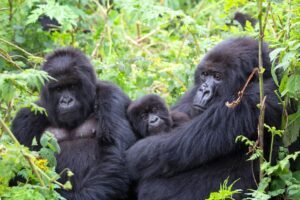
So you’ve decided to see mountain gorillas in the wild. Congratulations—you’re about to have one of the most profound wildlife encounters on the planet. But now comes the big question: Uganda or Rwanda?
Both countries offer the chance to spend one magical hour with a habituated gorilla family. Both are safe, accessible, and unforgettable. But the experience, cost, and logistics differ in ways that matter. Here’s a breakdown to help you decide which destination fits your travel style and budget.
Gorilla Permits: Cost and Availability
Uganda:
A gorilla trekking permit costs $800 for foreign non-residents (as of 2024). Permits are issued by the Uganda Wildlife Authority (UWA) and can be booked through a licensed tour operator like Ringstone Safaris. Uganda has four gorilla trekking sectors in Bwindi Impenetrable National Park—Buhoma, Ruhija, Rushaga, and Nkuringo—plus the Mgahinga Gorilla National Park. This means more permits are available, and you have a better chance of securing a spot during peak season (June–September and December–February).
Rwanda:
A gorilla permit in Rwanda costs $1,500 for foreign non-residents. Permits are issued by the Rwanda Development Board (RDB) and are limited to Volcanoes National Park. The higher price reflects Rwanda’s premium positioning, but it also means fewer permits are available. During peak season, they can sell out months in advance.
The verdict: Uganda is significantly cheaper, and permits are easier to secure. If budget is a concern, Uganda wins.
The Trekking Experience
Uganda (Bwindi):
Bwindi is an ancient, dense rainforest. Treks can range from 30 minutes to 6+ hours, depending on where your assigned gorilla family is located. The terrain can be steep, muddy, and challenging—especially during the rainy season. But the forest itself is stunning, and the sense of remoteness is part of the appeal. You’ll be in a group of up to 8 trekkers per family.
Rwanda (Volcanoes National Park):
The terrain in Volcanoes National Park is similar—lush, mountainous, and sometimes muddy. Treks often start earlier in the morning and can also take several hours. The park is smaller and more accessible from Kigali (about a 2.5-hour drive), which makes it ideal for travelers on a tight schedule. The experience is equally magical, but the higher permit cost and limited availability can make it feel more exclusive.
The verdict: The trek itself is comparable in both countries. Uganda offers a rawer, wilder forest experience; Rwanda offers convenience and proximity to Kigali.
Getting There
Uganda:
Most gorilla treks start from Entebbe or Kampala. The drive to Bwindi takes 8–10 hours, or you can take a short domestic flight to Kihihi or Kisoro. Many travelers combine gorilla trekking with other Uganda highlights like Queen Elizabeth National Park, Murchison Falls, or Lake Bunyonyi.
Rwanda:
Volcanoes National Park is a 2.5-hour drive from Kigali. This makes it possible to fly into Kigali, trek gorillas the next day, and fly out the following evening—a true weekend gorilla safari. Many travelers also combine Rwanda with a Kigali city tour or a visit to Nyungwe Forest for chimpanzees.
The verdict: Rwanda wins on convenience. Uganda wins on combining gorillas with a broader safari circuit.
Other Wildlife and Activities
Uganda:
Beyond gorillas, Uganda offers chimpanzee trekking in Kibale Forest, boat safaris on the Nile, game drives in Murchison Falls and Queen Elizabeth National Park, and rhino tracking at Ziwa. It’s a more diverse safari destination overall.
Rwanda:
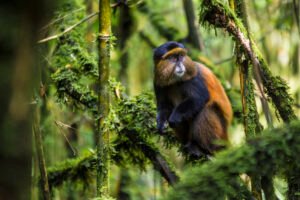
Rwanda is known for gorillas, golden monkeys, and chimpanzees in Nyungwe. It also has excellent cultural experiences, including the Kigali Genocide Memorial and Ibyiwacu Cultural Village. But it doesn’t have the classic savannah game drives that Uganda and Tanzania offer.
The verdict: If you want a full safari with lions, elephants, and giraffes alongside your gorilla trek, Uganda is the better choice. If you’re focused on primates and culture, Rwanda is perfect.
Cost Comparison (Typical 2-Day Gorilla Safari)
| Item | Uganda (Rushaga) | Rwanda (Volcanoes NP) |
|---|---|---|
| Gorilla permit | $800 | $1,500 |
| Accommodation (1 night, mid-range) | $150–$250 | $200–$400 |
| Transport from capital | $200–$400 | $100–$200 |
| Meals & extras | $50–$100 | $100–$150 |
| Estimated total | $1,200–$1,550 | $1,900–$2,250 |
Note: Prices vary by operator, group size, and season.
So Which Should You Choose?
Choose Uganda if:
-
You want a more affordable gorilla trekking experience
-
You want to combine gorillas with other wildlife and landscapes
-
You’re flexible on travel dates and want better permit availability
-
You don’t mind a longer drive or a domestic flight to reach the forest
Choose Rwanda if:
-
You’re short on time and want a quick getaway from Kigali
-
You’re willing to pay a premium for convenience and exclusivity
-
You want to pair gorillas with a city tour or cultural experiences
-
You’re already in Rwanda for business or another trip
Final Thought
Whichever you choose, the moment you lock eyes with a wild mountain gorilla is one you’ll never forget. The permit cost, the muddy hike, the early wake-up, it all fades away when you’re sitting quietly in the forest, watching a mother groom her infant or a silverback munch on bamboo.
At Ringstone Safaris, we arrange gorilla trekking in both Uganda and Rwanda, and we’re happy to help you decide which is right for you. Whether you want a 2-day express trek from Kigali or a 3-day Uganda safari that includes gorillas and more, we’ll handle the permits, logistics, and guides so you can focus on the experience.
Ready to meet the gorillas? Contact Ringstone Safaris today to start planning.